
The late late show
The Top Lawn provides the backdrop to the garden. It's fronted by a long border packed with tall long-flowering or late-flowering plants.
More unusual garden plants get space here, such us the underated Eupatorium; not the most popular form of hemp according to my Google searches, but try telling that to the bees and butterflies.
Maltese Cross reaches nearly two metres, as do Plume Poppy, Campanula Lactiflora and Nepata Grandiflora isn’t far behind.
A square patio of flags enables us to sit almost in the border with similar plants repeated on either side: Mexican Salvias sprawl at knee-height, while Echinops Taplow Blue, and Yellow Scabious surround themselves with a constant buzz. At a lower level, Sedum Matrona, Daylilies, and Veronicas add colour. In early summer beefy Iris and Alliums are showstoppers.
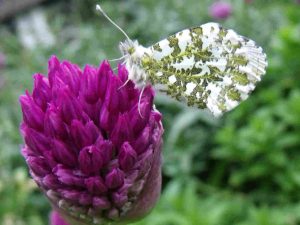
One of the earliest spring visiting butterflies is the orange tip. Here, it shows its under-wings as it investigates an allium
Get the look...
We’re never ruthless enough. Good gardeners can look a Phlomis in the eye and say: ‘we so loved you, but now there’s this sexy looking aster and… really, it’s not you, it’s us.’
The secret to great gardens is finding the best plants and giving them the conditions and space they need. Spectacle comes when they spread to a size to have impact and are enhanced by their neighbours.
Being ruthless means making space for them to spread. To find that room, inevitably, plants you once adored have to fall by the wayside, or in our case: get crammed into tighter and tighter spaces or passed onto friends.
Learn from our weakness; be ruthless. Go for big clumps and send the not quite cutting it plants to the great compost heap in the sky.
Best months - Performance through the year
Elaeagnus Maculata
Choisia Sundance
Queen of the Night Tulip
Geranium Ann Folkhard
Allium Purple Sensation
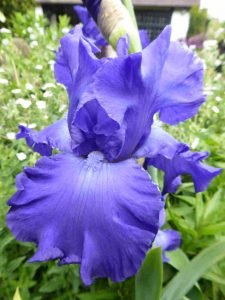
Iris Mer du Sud
Echinops Taplow Blue
Eupatorium Purpureum
Sedum Matrona
Salvia Black and Blue
Liriope Muscari
Holly
The plants that make it distinctive

Top 10 Plants
Top plants – when they flower – what they bring to the garden
| 1. Sedum Matrona | Aug-Oct | Frosted pink plates with matching stems |
| 2. Eupatorium Purpureum | Aug-Sep | Dark stems topped with mop of violet pink |
| 3. Echinops Tapolow Blue | June-Aug | Globes of steel blue created by Rubik |
| 4. Yellow Scabious | May-June | Pale lemon bee pillows |
| 5. Iris Mer du Sud | May-June | Flamboyant cornflower blue ruffles |
| 6. Geranium Ann Folkhard | May-Oct | Constantly dotted in shrieky purple disks |
| 7. Salvia Black and Blue | Aug-Oct | Cobalt blue trumpets from black calyces |
| 8. Veronica Longifolia | June-Aug | Upright tails of azure blue |
| 9. Echinacea Rubinstern | June-Sept | Large bubblegum-pink daisies |
| 10. Vernonia Crinita | Aug-Oct | Tall stems topped with violet clusters |
And more...
| Mexican Salvia |
| Campanula Lactiflora |
| Diascia Hopleys |
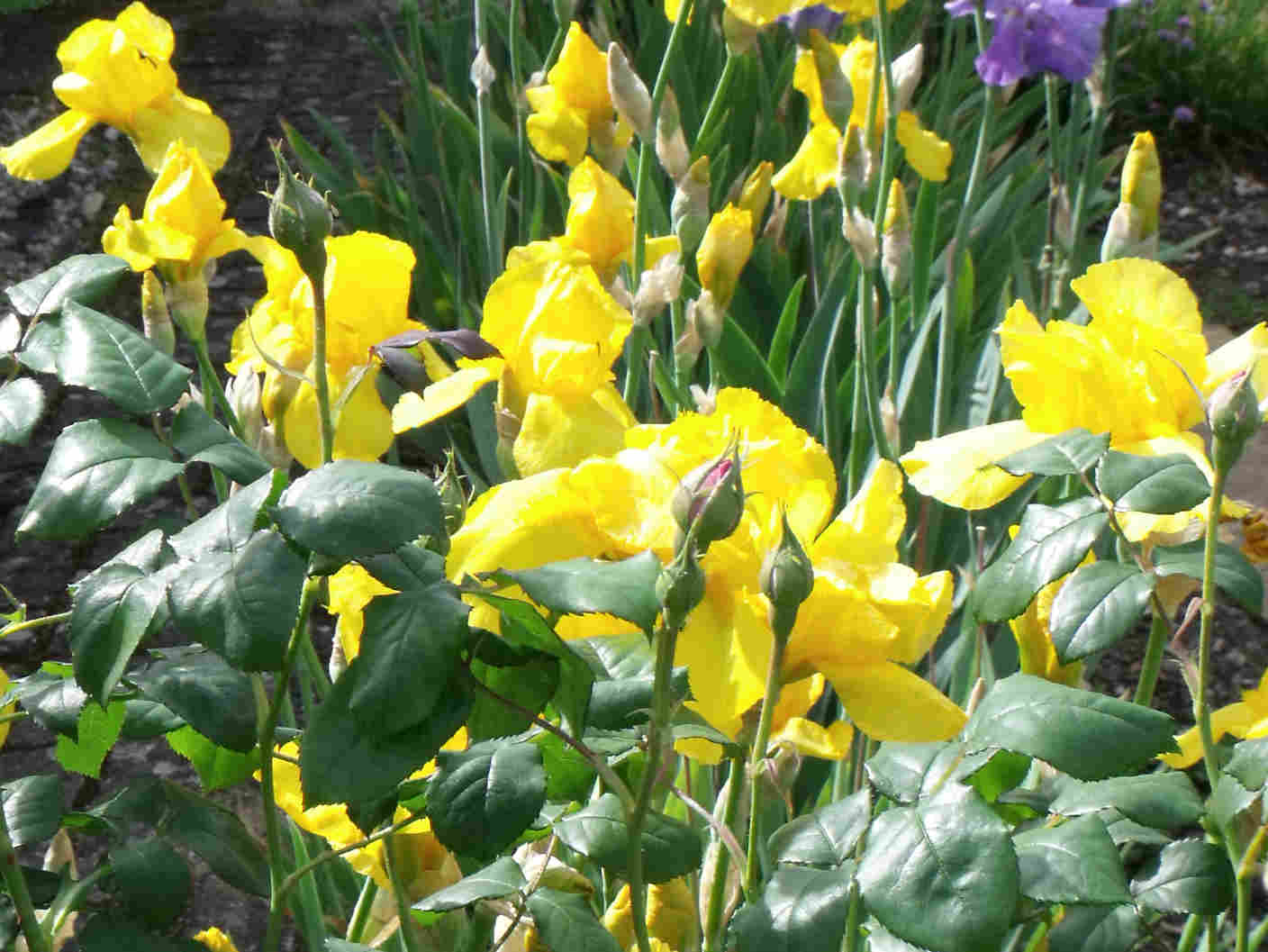
| Iris Ola Kala |
| Allium Purple Sensation |
| Maltese Cross |
| Persicaria Firetail |
| Succisa Pratensis |
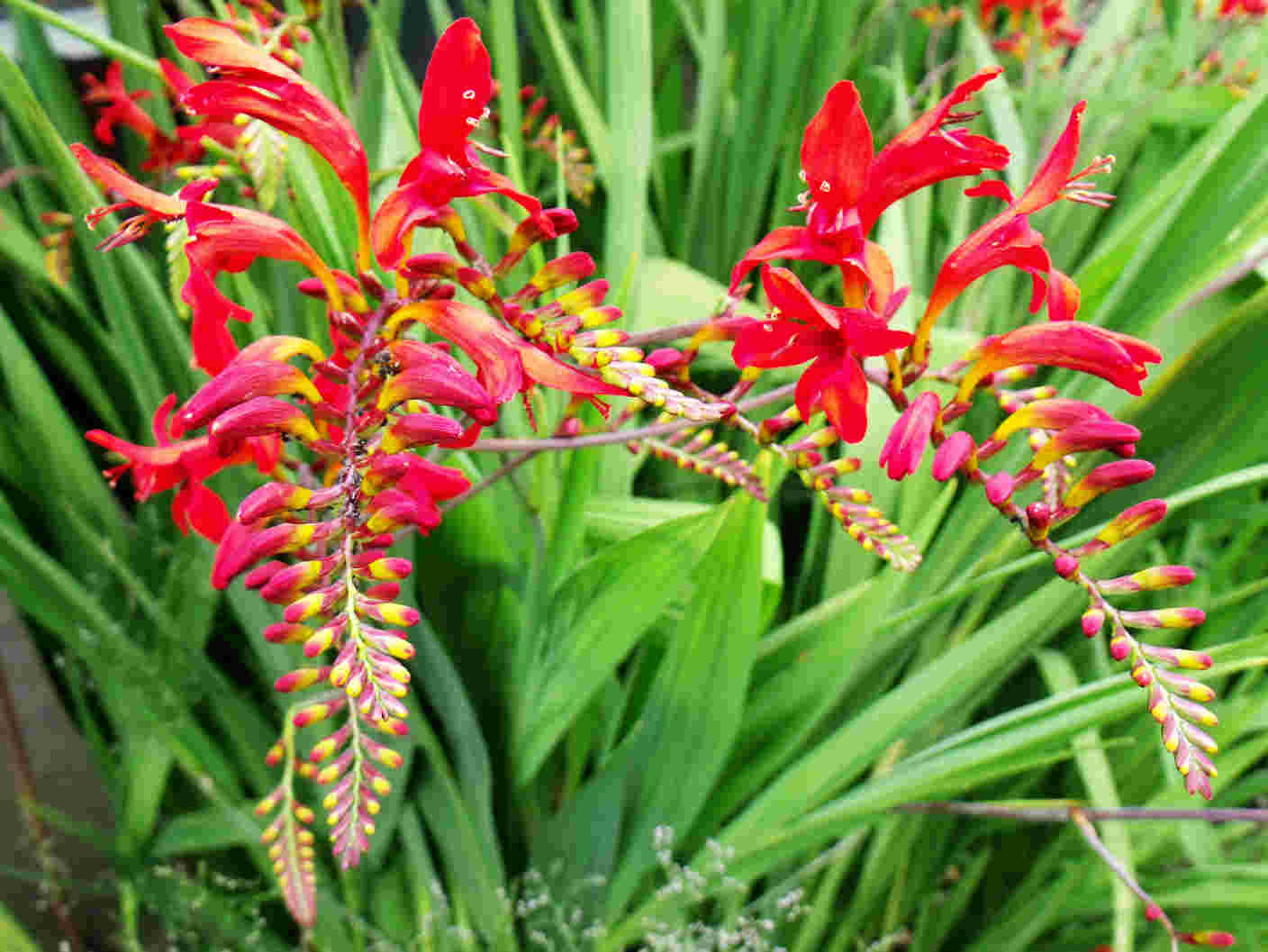
| Crocosmia Lucifer |
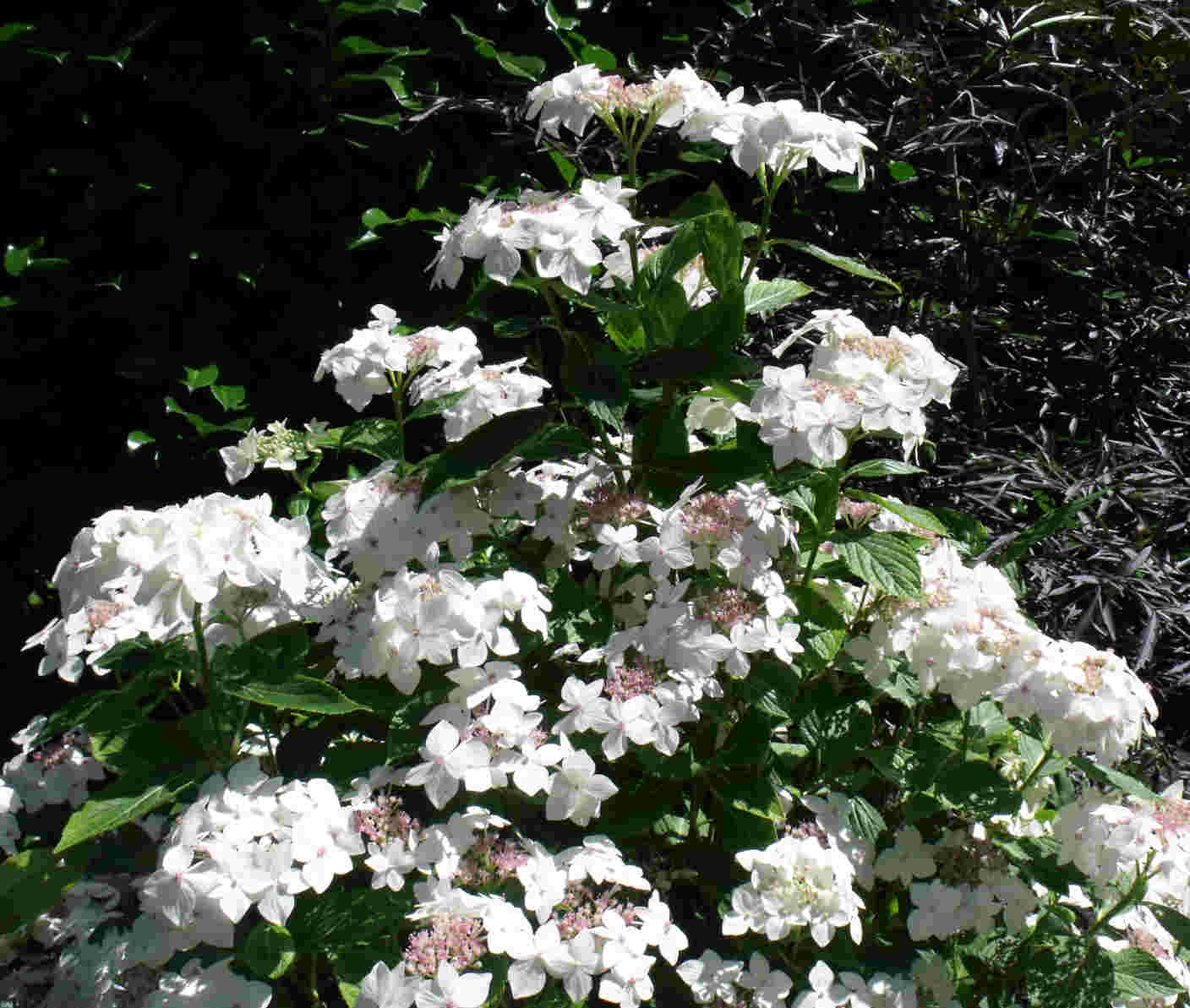
| Hydrangea |
| Smoke Bushes |
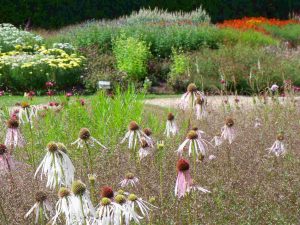
Hauser and Wirth garden
The recently opened Hauser and Wirth garden in Bruton Somerset was designed by Dutchman Piet Oudolf. His prairie planting style uses large groups of plants in drifts, interspersed with grasses.
His talent is for spotting plants that have been overlooked by previous gardening generations but bring long-lasting colour and structure to the borders and look stunning en masse both individually and as a tapestry.
Plants that he has popularised include: Echinacea (Pallida is pictured); Persicaria, Sanguisorba, Hemp and Vernonia.